36 Elegant Subway Tile Layouts for Classic Showers

Traditional Running Bond
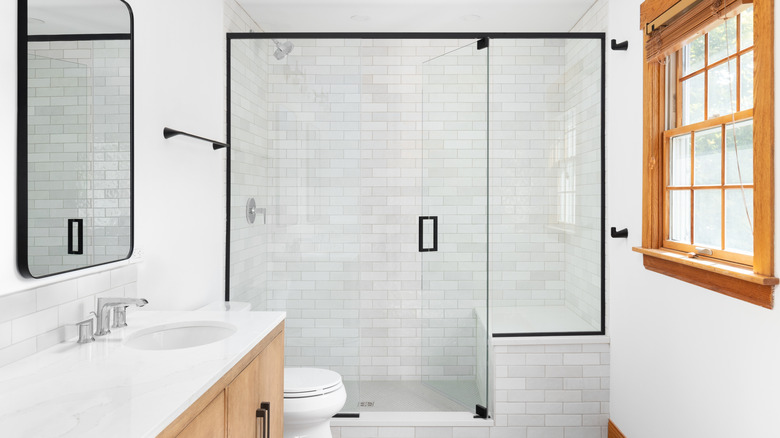
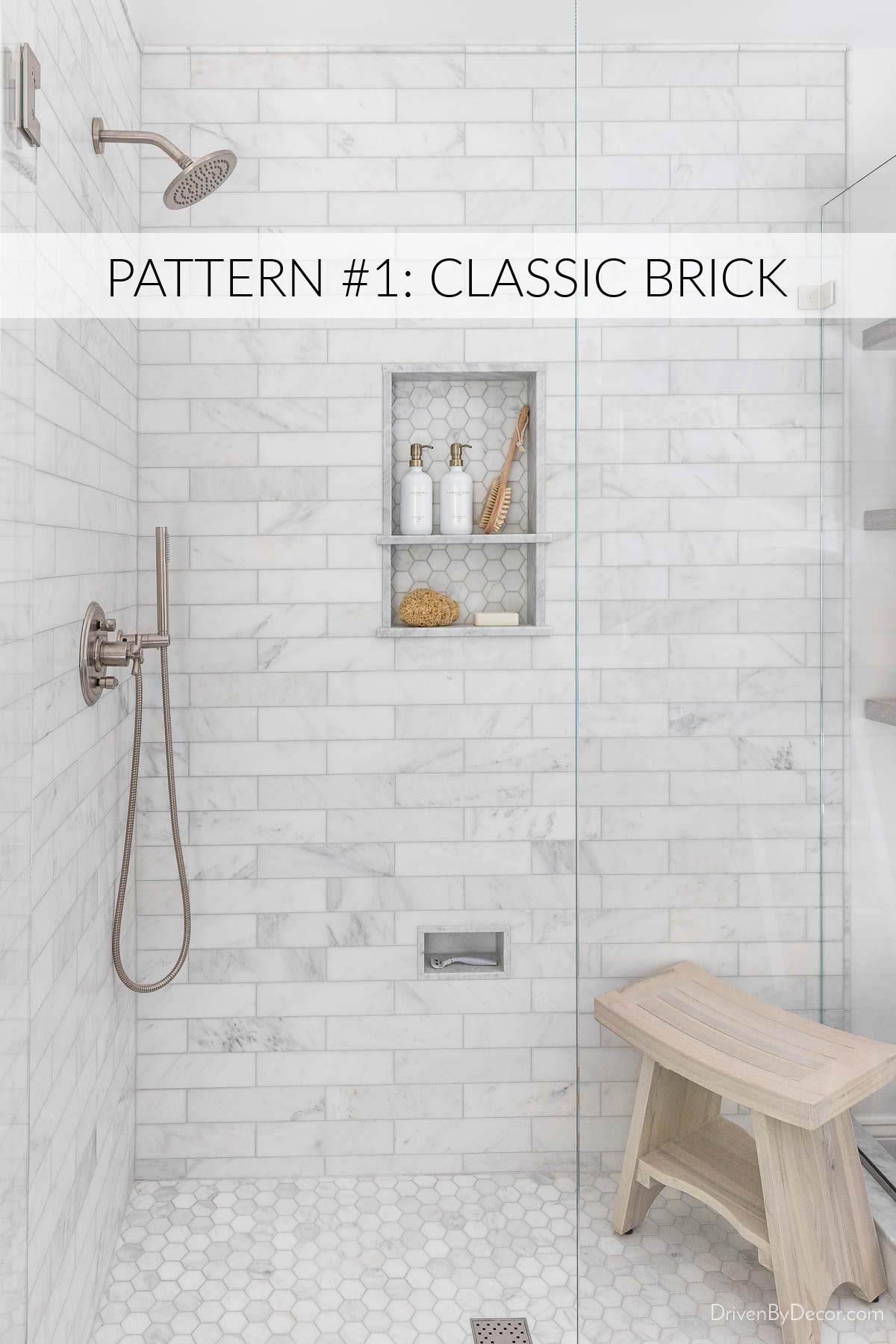
The traditional running bond remains the most popular choice for classic showers today. In this timeless layout, each tile is centered over the joint of the course below, creating a staggered brick-like appearance. It offers a clean, symmetrical look that works beautifully in any bathroom setting. Whether you choose crisp white or a moody charcoal, this pattern provides a reliable foundation for your design. It is simple to install and minimizes waste during construction.
Vertical Stack Bond
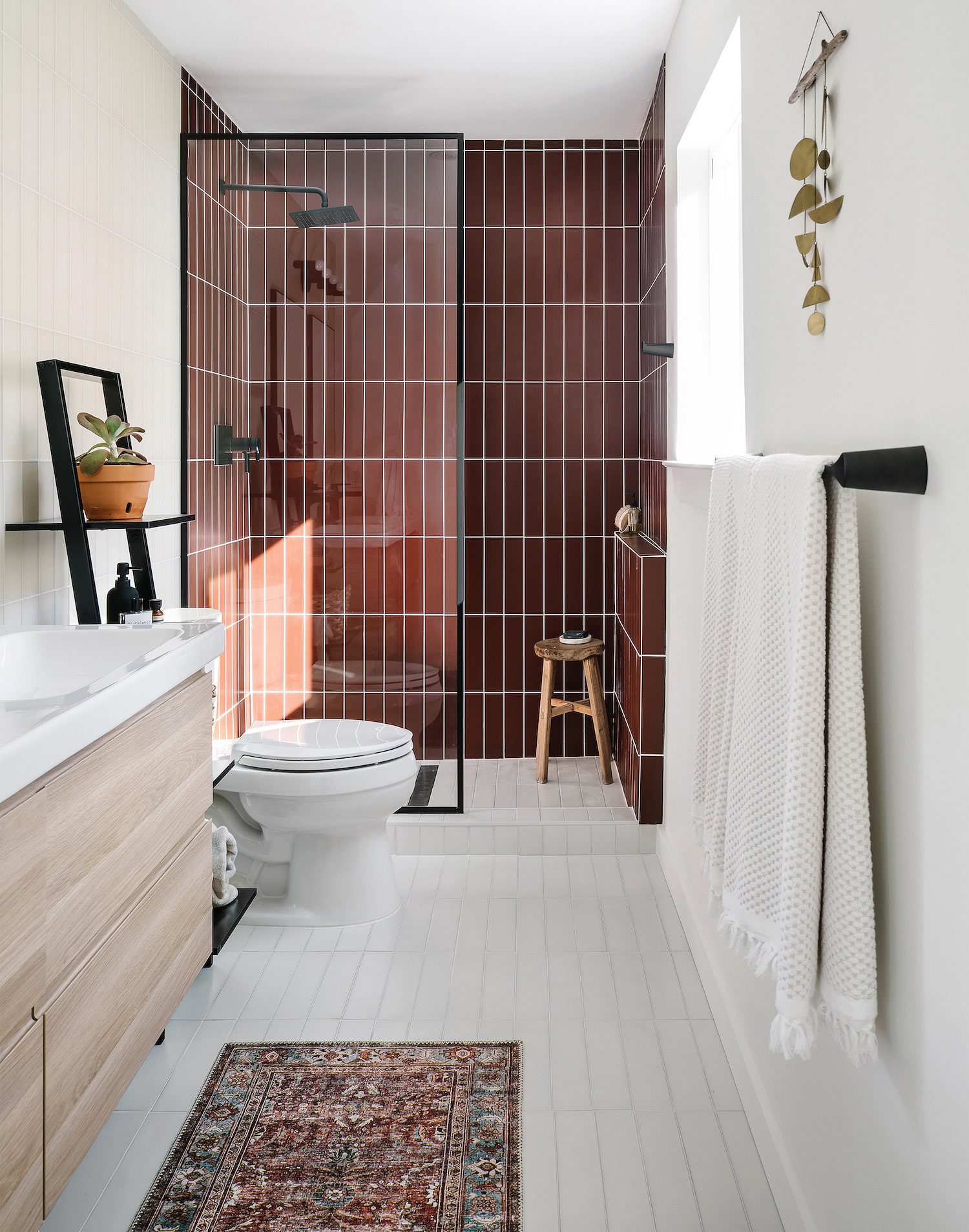
A vertical stack bond offers a modern twist on the classic subway tile aesthetic. By aligning tiles directly on top of one another, you draw the eye upward, making short ceilings feel much higher. This clean-lined approach is perfect for contemporary or minimalist bathrooms. While you focus on tile alignment, you might enjoy thinking about [11 Easy Spring Clay Crafts for Adults](https://homybudy.com/easy-spring-clay-crafts-adults/) to keep your creative energy flowing during your home renovation.
Horizontal Stack Bond
Horizontal stack bond layouts emphasize the width of your shower space, creating a serene and orderly feel. This pattern eliminates the staggered joints found in traditional brick layouts, resulting in a grid-like appearance that feels architectural and crisp. It is an excellent choice for those who prefer a modern aesthetic without sacrificing the charm of subway tiles. Use a matching grout color for a seamless look or a contrasting tone to highlight the grid.
Traditional Herringbone

The traditional herringbone pattern is a sophisticated choice that adds instant luxury to any shower. By placing tiles at a 90-degree angle to one another, you create a dynamic, v-shaped movement across the walls. This pattern is particularly striking when using tiles with subtle color variations or a high-gloss finish. While this intricate layout requires careful planning, the visual payoff is immense, turning a simple shower into a stunning focal point of the home.
Diagonal Herringbone
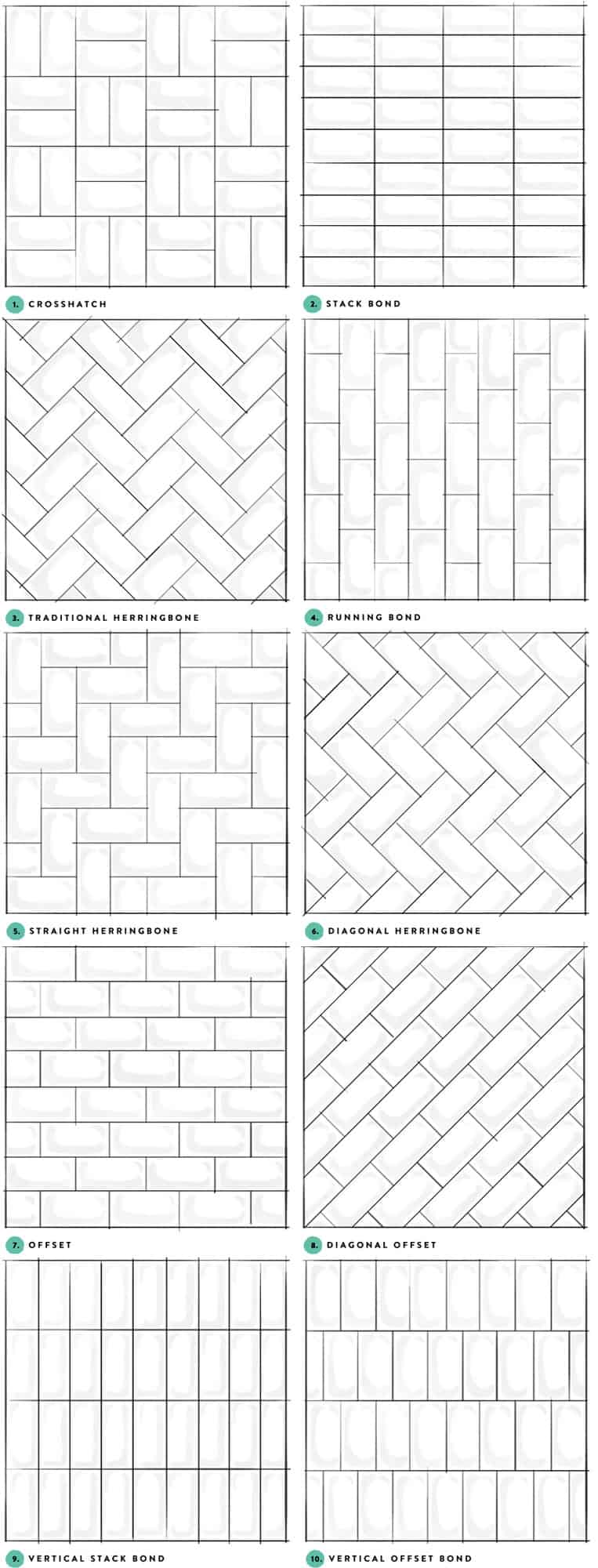
Diagonal herringbone takes the classic v-shape and rotates it 45 degrees, creating a sense of energy and flow. This orientation makes the shower walls appear wider and more expansive. It is a fantastic way to add architectural interest to a small space. Much like planning [11 Unique Ideas for a Girl’s Baby Shower](https://homybudy.com/unique-ideas-girl-baby-shower/), selecting the right tile orientation requires attention to detail and a clear vision of the final celebratory aesthetic.
Double Herringbone

For those seeking even more texture, the double herringbone pattern uses pairs of tiles instead of single pieces. This creates a larger, bolder graphic effect that feels substantial and expensive. It is a great way to use standard-sized subway tiles while achieving a custom, high-end look. The complexity of the design ensures that your shower will never look boring, providing a rich backdrop for your daily routine and enhancing the overall value of your property.
Step Ladder Pattern

The step ladder pattern is a unique variation where tiles are stacked vertically but staggered in a way that mimics a staircase. This layout adds a sense of rhythm and motion to the walls. It is a playful alternative to standard bond patterns and works exceptionally well in modern farmhouse or transitional bathrooms. The vertical orientation helps lift the room, while the staggered joints maintain a sense of traditional craftsmanship that homeowners truly love.
Crosshatch Design
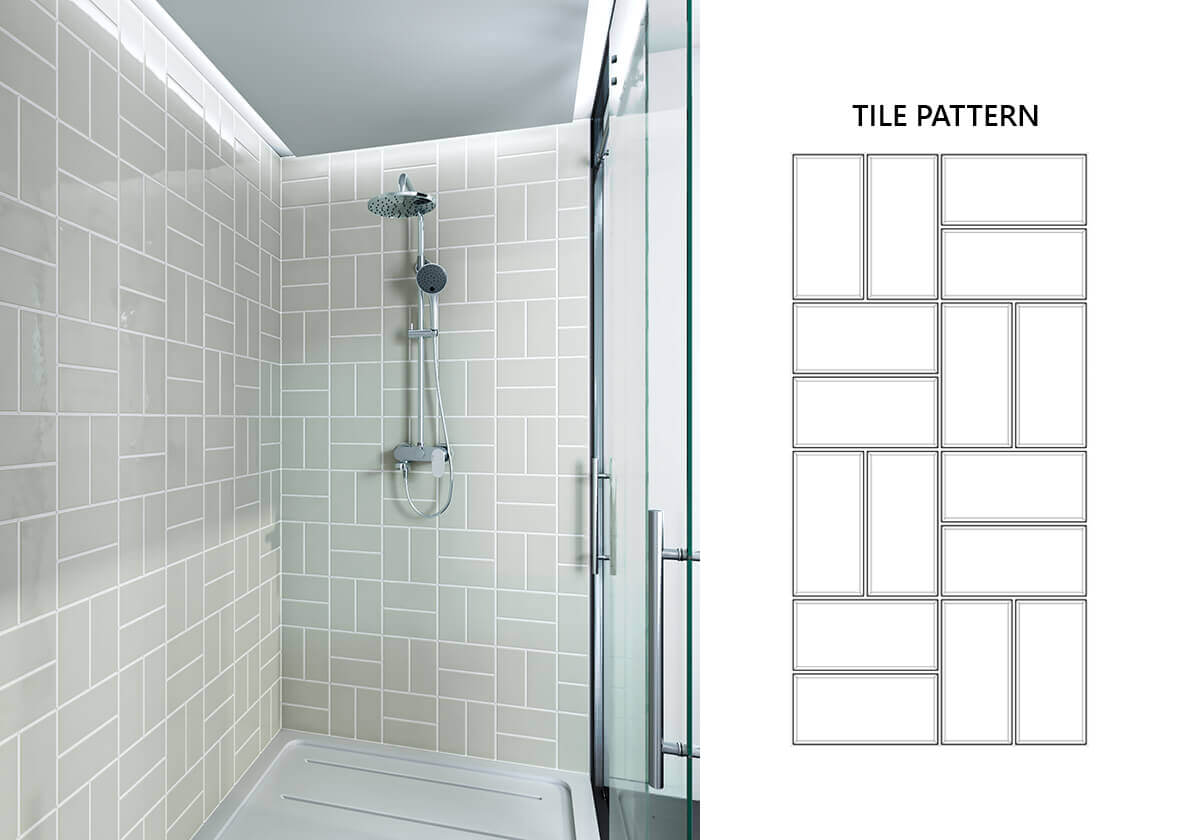
A crosshatch design, often called the basketweave, involves grouping tiles into squares and alternating their direction. Two horizontal tiles are followed by two vertical tiles, creating a woven effect. This pattern is charming and nostalgic, bringing a touch of vintage flair to a classic shower. It is an excellent way to introduce pattern without using bold colors. The geometric precision of this layout provides a calming, orderly atmosphere that is perfect for a relaxing bath.
Vertical Running Bond

The vertical running bond is simply a traditional brick pattern turned on its side. This orientation combines the familiarity of the running bond with the height-enhancing benefits of vertical lines. It is an ideal choice for narrow showers that need a visual lift. The staggered joints prevent the pattern from looking too rigid, maintaining a soft and approachable feel. This layout works particularly well with elongated subway tiles, emphasizing their sleek, modern proportions and clean edges.
45-Degree Diagonal
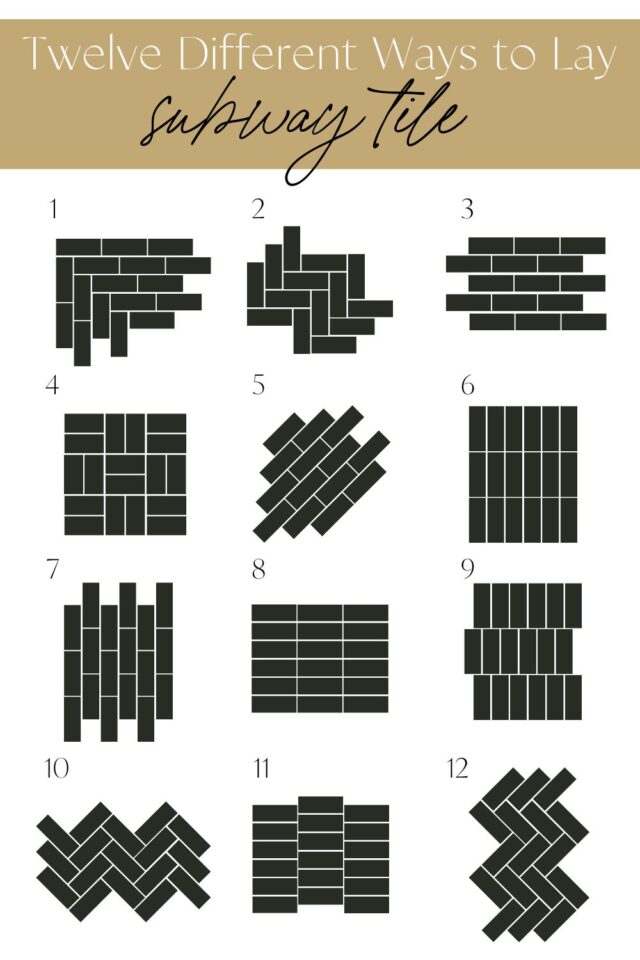
Laying subway tiles at a 45-degree angle creates a diamond-like effect that feels classic yet unexpected. This pattern is often used in traditional or European-inspired bathrooms to add a layer of elegance. It effectively breaks up the boxy feel of a standard shower, adding soft curves and interesting angles. While it involves more cutting and waste than a horizontal layout, the sophisticated result is well worth the extra effort and planning required during installation.
Basketweave Layout
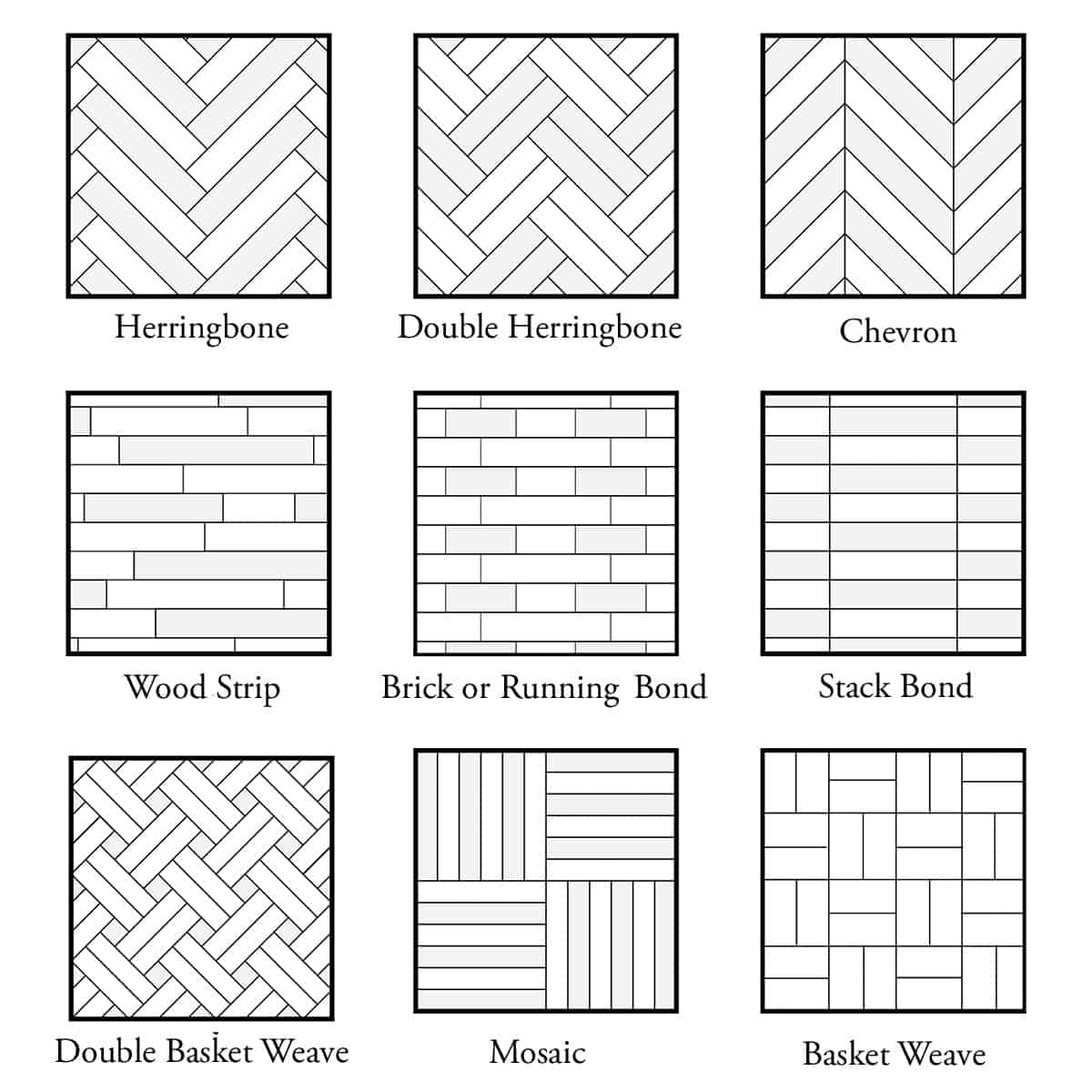
The basketweave layout is a classic decorative pattern that mimics the texture of woven fibers. It typically uses two or three tiles to form a square, which then alternates orientation throughout the wall. This design adds a rich, tactile quality to the shower surfaces. While managing such a complex project, you might need a break. Consider reading about [13 Hilarious Baby Shower Games for Large Groups](https://homybudy.com/13-hilarious-baby-shower-games-large-groups/) to find some entertainment for your next family gathering.
Flemish Bond

The Flemish bond is a historic masonry pattern that alternates between long and short tiles in a single row. While usually done with bricks, you can replicate this look with subway tiles of different lengths. This creates a highly textured and sophisticated wall that feels rooted in traditional architecture. It is a great way to showcase craftsmanship and attention to detail. The resulting pattern is busy yet balanced, offering a timeless appeal that never goes out of style.
Soldier Course

A soldier course features tiles standing vertically side-by-side, aligned perfectly at the top and bottom. This pattern creates a strong sense of structure and is often used as a border or an accent row within a larger tiled area. However, using it for the entire shower provides a bold, modern look that emphasizes height and verticality. It is a minimalist choice that relies on clean lines and precise installation to achieve its stunning, high-impact effect.
Sailor Course

Similar to the soldier course, the sailor course features tiles standing vertically, but they are laid with their wide side facing out. This is the standard vertical stack for most subway tiles. It creates a rhythmic, columnar effect that can make a small shower feel like a grand architectural feature. The repetitive nature of the sailor course is soothing and modern, making it a popular choice for spa-like bathroom retreats that prioritize simplicity and clean design.
Rowlock Pattern
In masonry, a rowlock is a brick laid on its long narrow side with the short end visible. For subway tiles, this translates to a pattern of short, narrow segments. You can achieve this look by using specialized trim tiles or by cutting standard subway tiles. This creates a dense, textured surface that is perfect for accent walls or recessed niches. It provides a rugged, industrial feel that contrasts beautifully with polished chrome or brass bathroom fixtures.
Shiner Pattern
:max_bytes(150000):strip_icc()/bathrooms-with-subway-tile-4140249-hero-3415fd09bfab4c46b38a700028b7a2b9.jpg)
The shiner pattern involves laying tiles on their broadest face, which is the standard way we see subway tiles. However, the term "shiner" specifically refers to the orientation in a row. By focusing on the flat, reflective surface of the tile, you maximize the light-reflecting properties of the glaze. This is especially effective in small, dark bathrooms. A glossy shiner layout makes the space feel bright, airy, and much larger than its actual physical dimensions suggest.
Offset Variation (1/3)
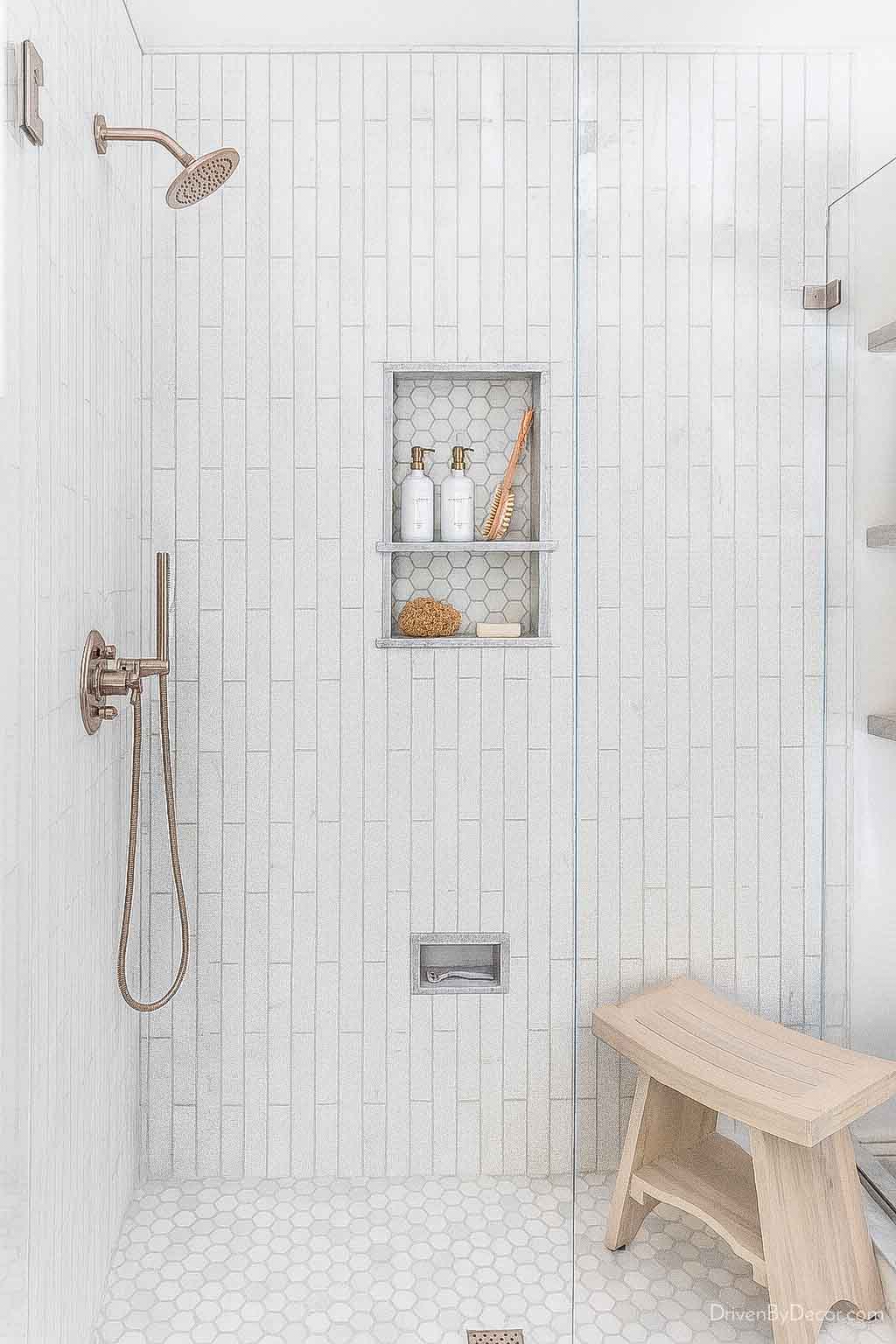
A 1/3 offset pattern is a sophisticated alternative to the standard 1/2 brick bond. Instead of centering the tile, each row is shifted by one-third of the tile's length. This creates a subtle diagonal movement across the wall, making the pattern feel more dynamic and contemporary. It is a great way to hide slight irregularities in the tile or the wall, as the staggered joints are less predictable than a traditional running bond layout.
Offset Variation (1/4)

The 1/4 offset takes the staggering a step further, shifting each row by a quarter of the tile's length. This creates a steeper diagonal effect that is visually engaging and modern. This pattern is particularly effective with very long, thin subway tiles, as it emphasizes their linear shape. It provides a sense of custom design and craftsmanship, showing that every detail of the shower was carefully considered to create a unique and personalized bathing environment.
Chevron Twist
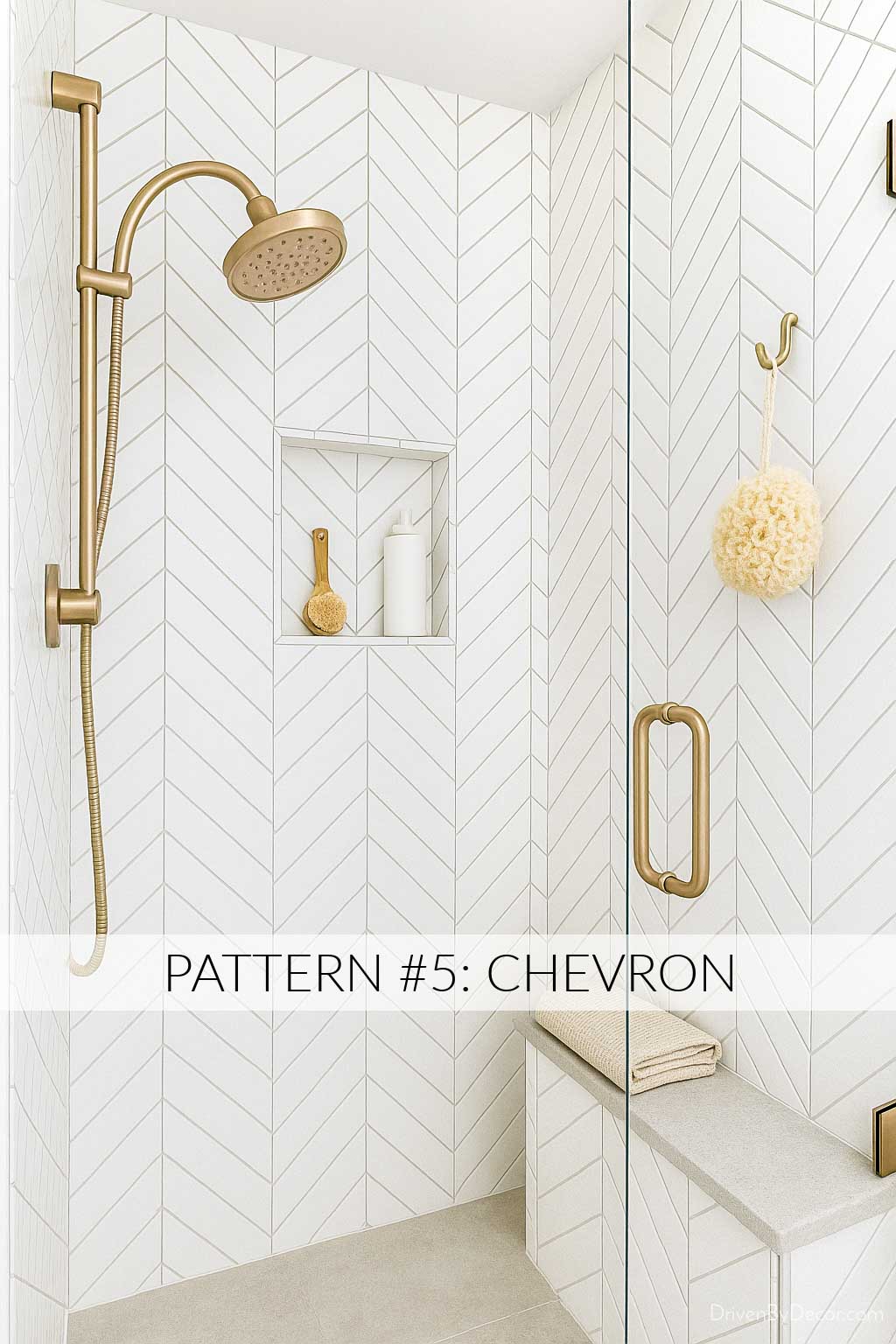
The chevron pattern is often confused with herringbone, but it features tiles cut at an angle to meet in a perfect point. This creates a continuous "V" shape that looks incredibly sharp and geometric. While it requires more precise cutting, the result is a high-end, designer look. If you enjoy the precision of DIY projects like this, you might also like [DIY Spring Door Baskets with Lush Fern](https://homybudy.com/diy-spring-door-baskets-lush-fern/) for your next home improvement task.
Alternating Vertical/Horizontal

This pattern alternates rows of vertical tiles with rows of horizontal tiles. It creates a grid-like texture that feels both traditional and experimental. By mixing the orientations, you add visual weight to the walls without needing different colors or materials. This layout is perfect for large showers where a single repetitive pattern might feel overwhelming. The alternating directions break up the space and keep the eye moving, providing a sophisticated and well-balanced bathroom design.
Bordered Panels
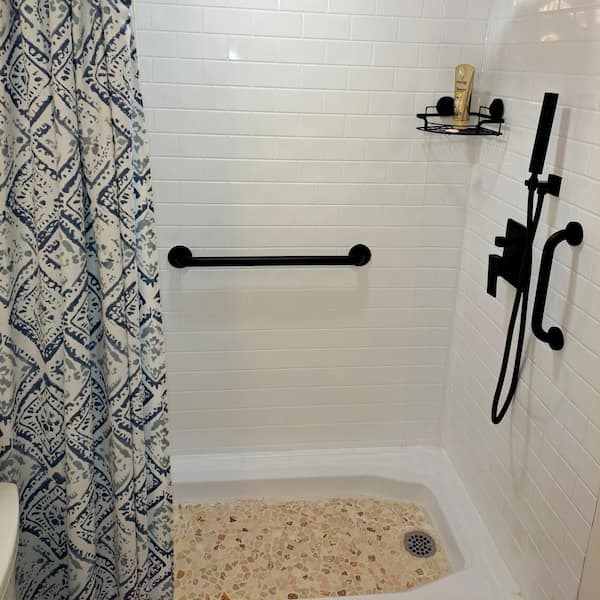
Creating bordered panels involves using subway tiles to frame specific sections of the shower wall. You might use a running bond in the center and a soldier course around the edges. This architectural approach defines the space and adds a sense of formality. It is a classic technique used in luxury hotels and historic homes. By creating these "frames," you can highlight shower fixtures or built-in benches, making the entire shower feel custom-built and curated.
Geometric Frames

Geometric frames use subway tiles to create shapes within the wall, such as large rectangles or squares. Inside these frames, you can change the tile direction or even the tile color. This technique adds depth and interest to the shower, turning the walls into a work of art. It is a bold design choice that works well in larger bathrooms where you have the space to appreciate the full scale of the geometric patterns being created.
Inset Niches
:strip_icc()/0576_220221_RSA_preview-c536a5e805fc459b9d2360ea3e777d7a.jpg)
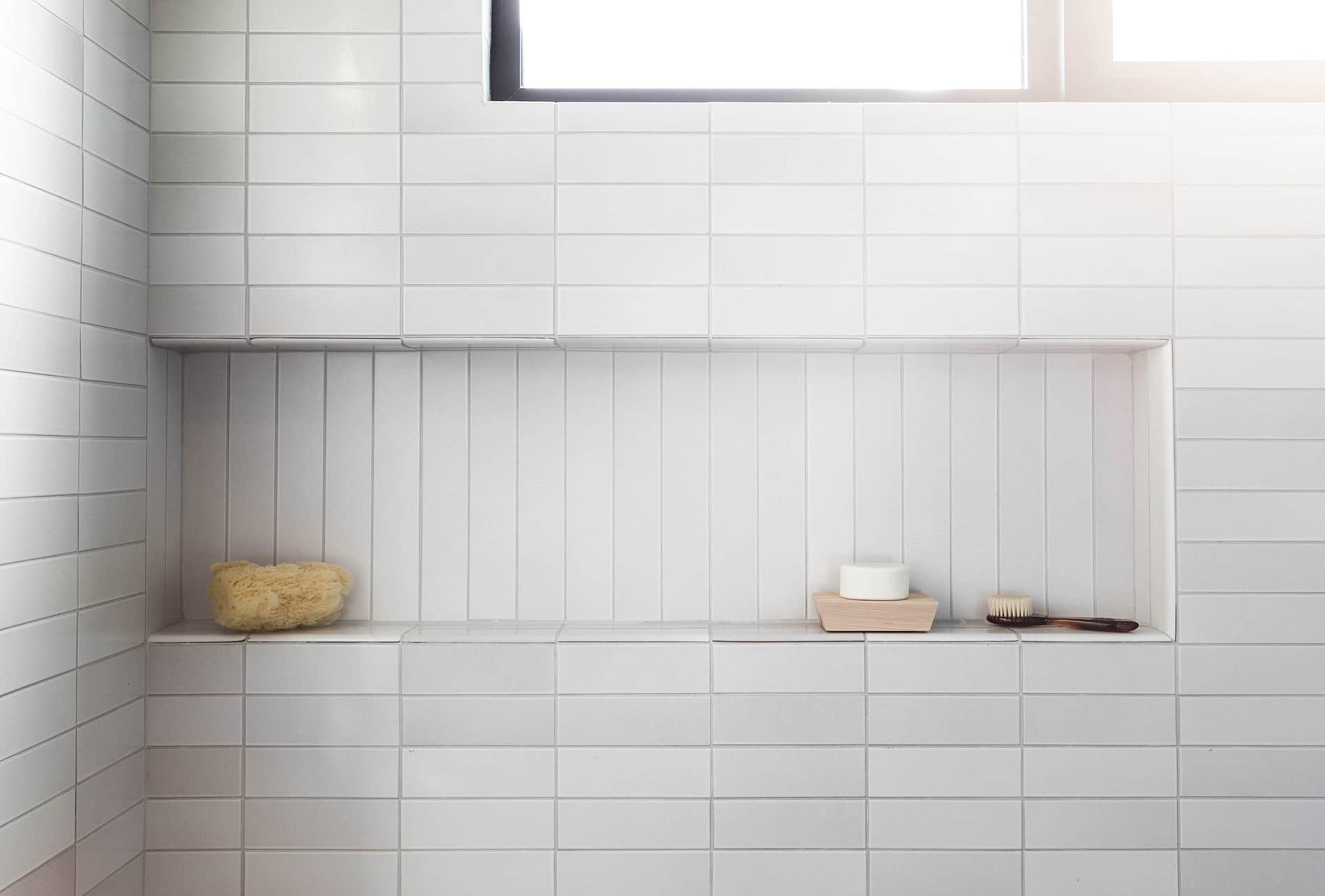
Subway tiles are perfect for lining inset niches. You can continue the wall pattern into the niche for a seamless look, or change the pattern for a decorative touch. For example, a herringbone pattern inside a running bond wall makes the niche pop. This functional detail provides storage for soaps and shampoos while adding a layer of design sophistication. It shows a commitment to both form and function, which is the hallmark of great design.
Ceiling Wrap-around
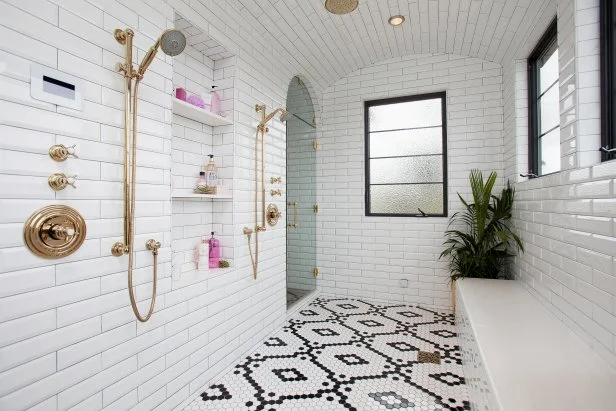
Taking your subway tile pattern all the way up and across the ceiling creates a truly immersive, "wet room" feel. This wrap-around effect is luxurious and practical, protecting the ceiling from steam and moisture. It makes the shower feel like a private sanctuary. When selecting patterns for the ceiling, a simple stack or running bond is usually best to ensure a clean transition from the walls, resulting in a cohesive and high-end look for the bathroom.
Mixed Texture Stack
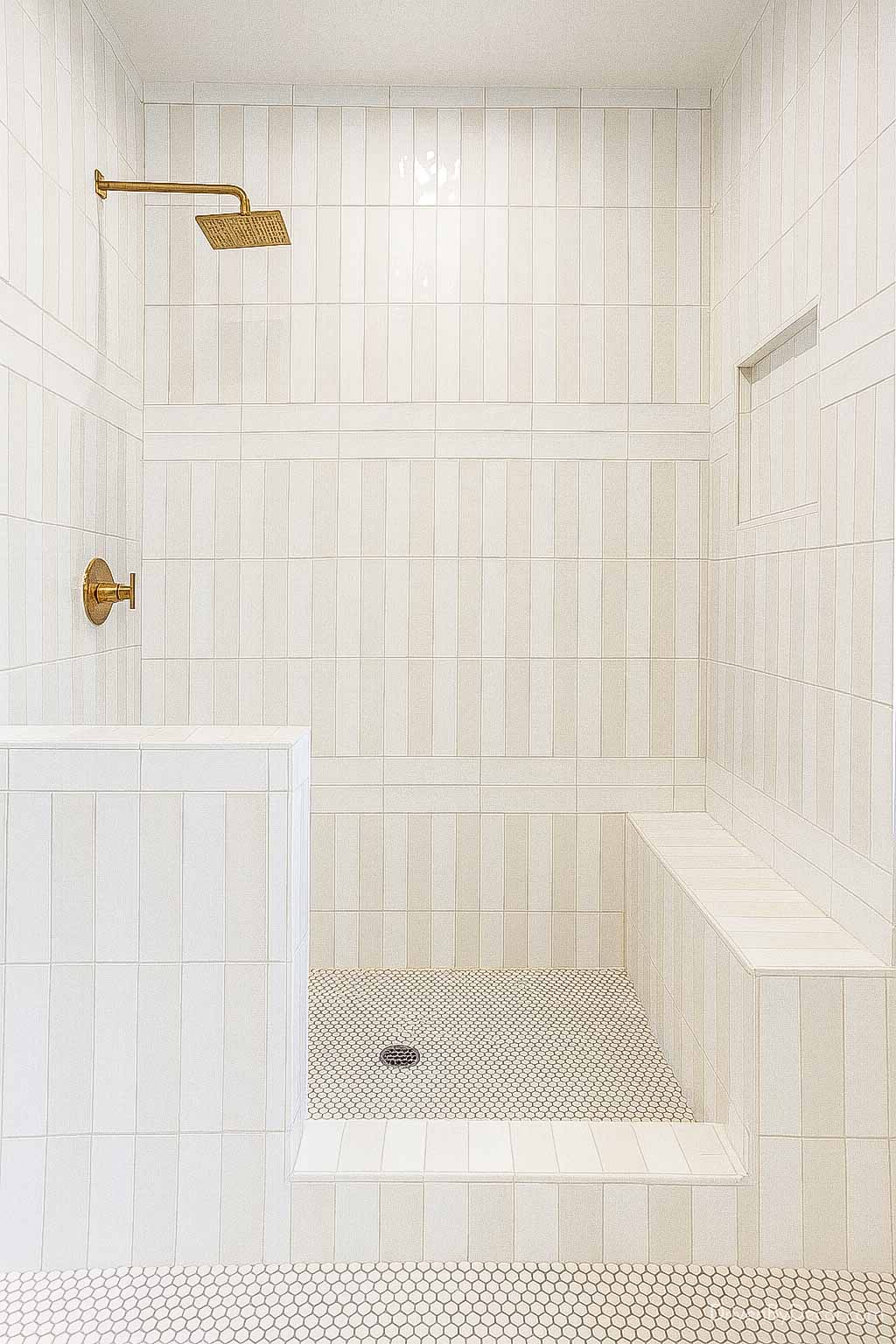
A mixed texture stack involves using subway tiles with different finishes, such as a mix of matte and glossy surfaces, in a simple stack bond. This creates a subtle, shimmering effect as light hits the different textures. It is a sophisticated way to add interest to a monochromatic color palette. The variation in finish adds depth and prevents a single-color wall from looking flat or dull, making the shower feel more tactile and visually rich.
Gradient Shades

Using subway tiles in varying shades of the same color can create a beautiful gradient or "ombre" effect. You can start with darker tiles at the bottom and fade to lighter tiles at the top. This adds a sense of artistry and custom design to the shower. The transition of color mimics the natural movement of water and sky, creating a peaceful and serene environment. It is a modern approach that remains grounded in classic tile shapes.
Contrasting Grout Lines
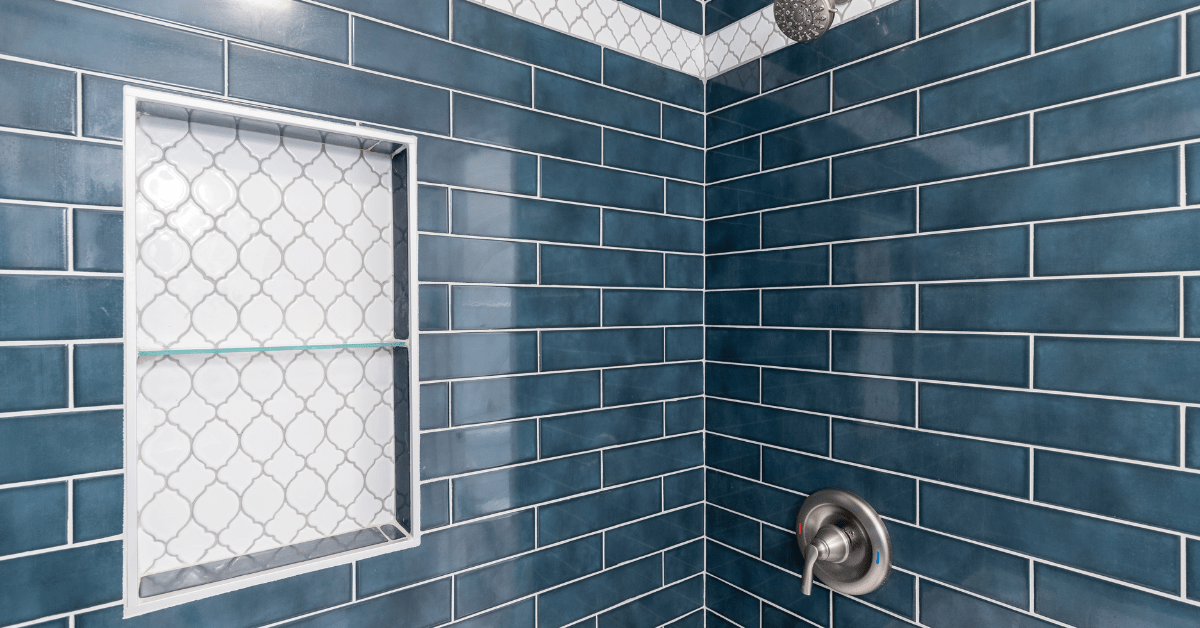
The pattern of your subway tile is often defined by the grout you choose. Using a dark grout with white tiles highlights every line and joint, making the pattern the star of the show. This high-contrast look is iconic in industrial and farmhouse designs. It emphasizes the geometry of the layout, whether it is a simple running bond or a complex herringbone. Contrasting grout is a cost-effective way to make standard tiles look dramatic and expensive.
Beveled Edge Focus
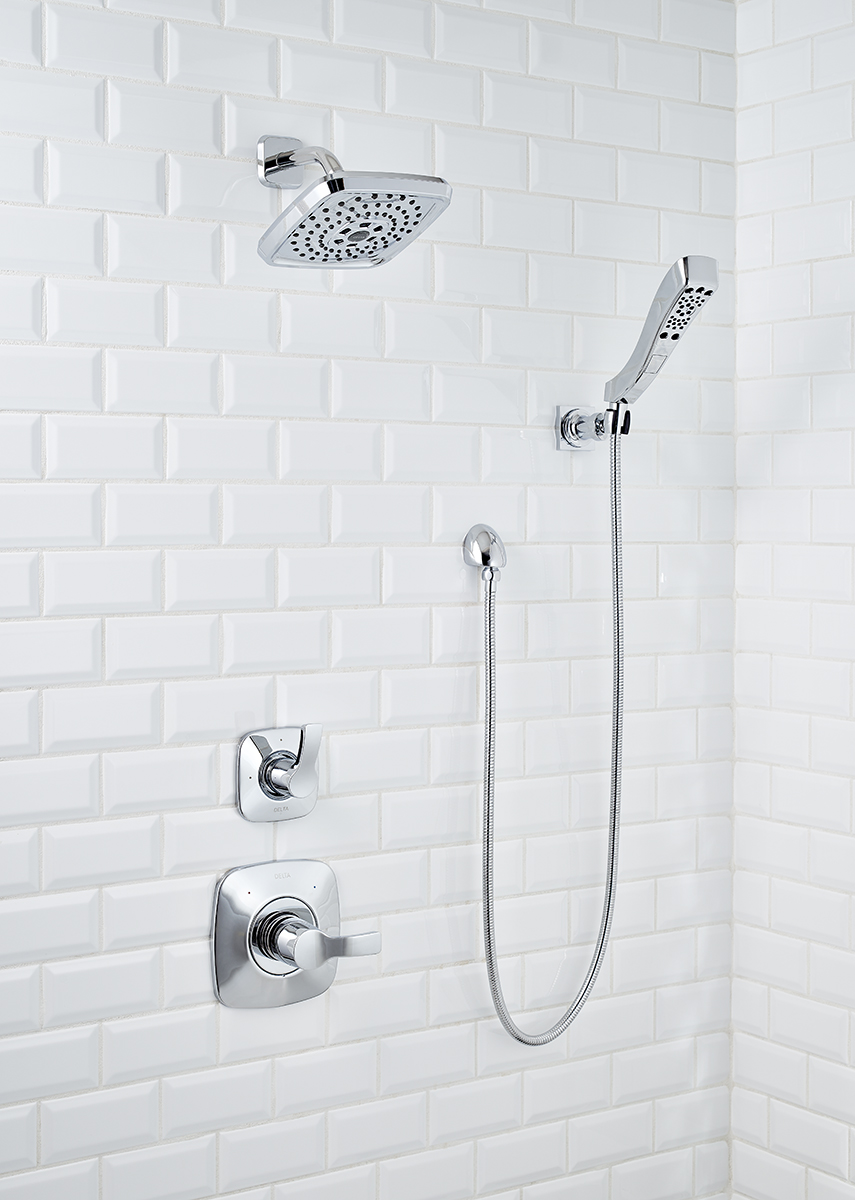
Beveled edge subway tiles have angled borders that catch the light and add three-dimensional depth to the wall. When laid in a traditional running bond, these tiles create a sense of texture and luxury that flat tiles cannot match. The shadows created by the beveled edges define the pattern even more clearly. This is a classic choice for traditional bathrooms, providing a vintage feel that is reminiscent of early 20th-century metro stations and grand estates.
Glossy vs. Matte Mix
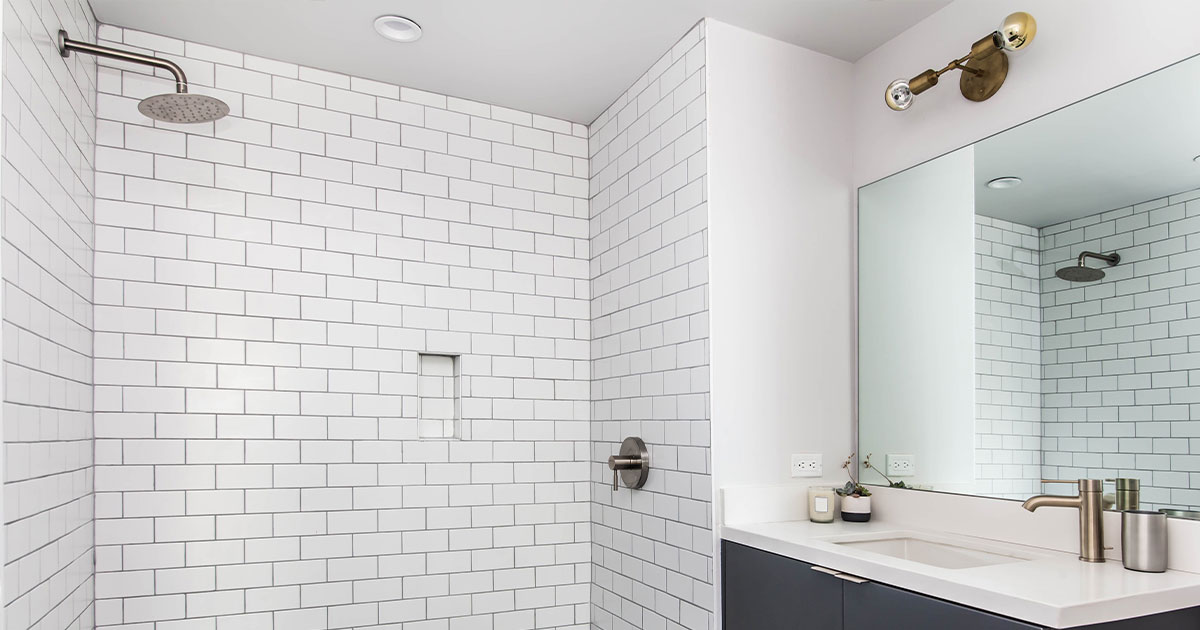
Mixing glossy and matte subway tiles in a random or planned pattern adds a sophisticated layer of visual interest. The glossy tiles reflect light, while the matte tiles absorb it, creating a "flicker" effect as you move through the space. This subtle play of light makes the shower feel dynamic and high-end. It is a great way to use a single color while still achieving a complex and layered look that feels modern and thoughtfully designed.
Large Format Subway

While traditional subway tiles are 3x6 inches, large format versions offer a modern interpretation. These larger tiles mean fewer grout lines, which creates a cleaner, more expansive look. They are perfect for large, walk-in showers where you want to emphasize scale. A horizontal stack bond with large format tiles feels contemporary and architectural, providing a sleek backdrop that complements modern fixtures and minimalist hardware for a truly high-end bathroom aesthetic.
Mini Subway Mosaic
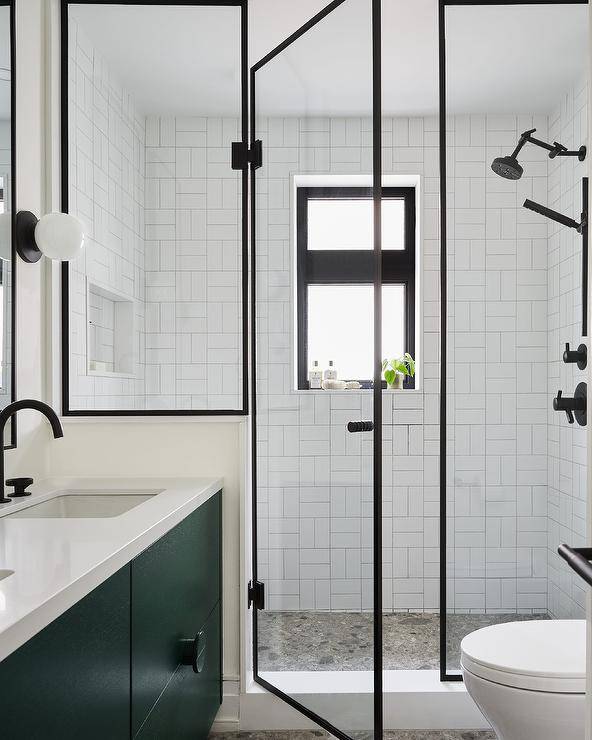
Mini subway tiles, often sold on mesh sheets, offer a delicate and detailed look. These tiny tiles are perfect for adding texture to small areas or creating a vintage mosaic feel. They work beautifully on shower floors or as an accent strip. The smaller scale adds a sense of intricacy and charm, making the shower feel cozy and well-crafted. This is a great way to introduce the classic subway shape in a more detailed and decorative way.
Metallic Accents
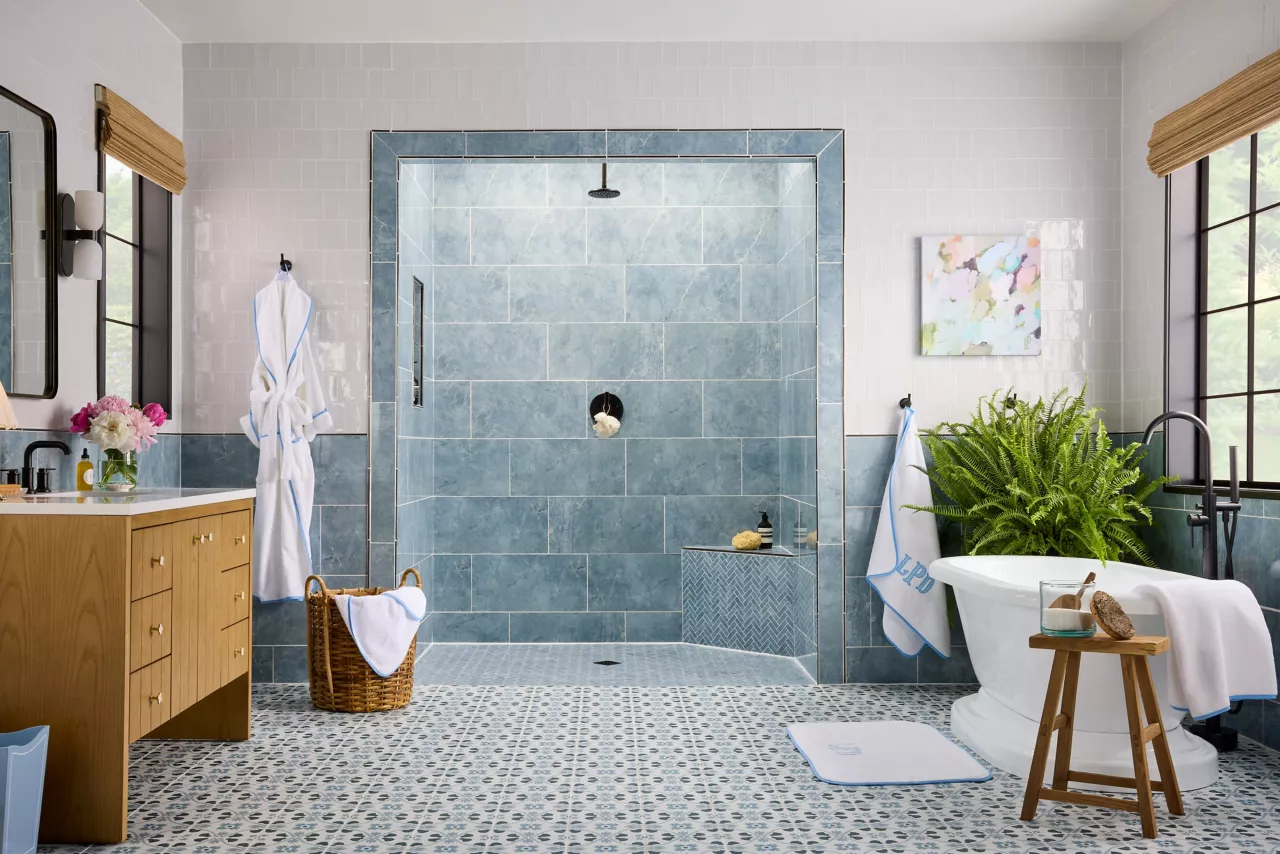
Integrating metallic subway tiles—such as those with a copper, brass, or stainless steel finish—can transform a classic shower into a glamorous retreat. These tiles can be used as a focal point or scattered throughout a ceramic tile layout for a touch of sparkle. They reflect light beautifully and add a sense of luxury. Pair them with matching metallic fixtures to create a cohesive and opulent look that feels both modern and timelessly elegant in any home.
Glass Subway Tiles
:strip_icc()/20230620_meredith_spokane_025_preview-2576c6fef5f7459ab47824ba8d20347e.jpg)
Glass subway tiles offer a translucent quality that adds depth and a "watery" feel to the shower. They are available in a wide range of colors and finishes, from frosted to high-gloss. Because glass reflects light, these tiles can make a small shower feel much brighter and more open. When laid in a classic running bond, glass tiles provide a modern, spa-like atmosphere that is both refreshing and sophisticated, making them a popular choice for contemporary renovations.
Natural Stone Subway

Using natural stone subway tiles, such as marble, travertine, or slate, brings the beauty of the outdoors inside. Each tile has unique veining and color variations, ensuring that no two showers look the same. A marble herringbone pattern is the height of classic luxury, while a slate stack bond offers a more rustic, organic feel. Natural stone adds value to your home and provides a timeless, high-end aesthetic that only improves with age and proper care.
Handcrafted Zellige Style

Zellige-style subway tiles are known for their irregular edges and varying glaze thicknesses, giving them a beautiful, handcrafted look. These imperfections are intentional, adding soul and character to the shower. When laid in a simple stack bond, the variations in color and texture create a shimmering, artisanal surface. This style is perfect for those who appreciate the "perfectly imperfect" and want a shower that feels unique, warm, and deeply personal in its design.
Industrial Loft Look

For an industrial loft vibe, use dark grey or black subway tiles with a matte finish and thick, light-colored grout. This high-contrast, rugged look is inspired by urban architecture and warehouse conversions. Pair the tile with exposed piping and black metal hardware to complete the aesthetic. It is a bold, masculine style that feels modern and edgy, providing a strong statement in any bathroom and proving that subway tiles are incredibly versatile design elements.