11 Small Bathroom Tile Ideas to Try

Glossy White Subway Tiles
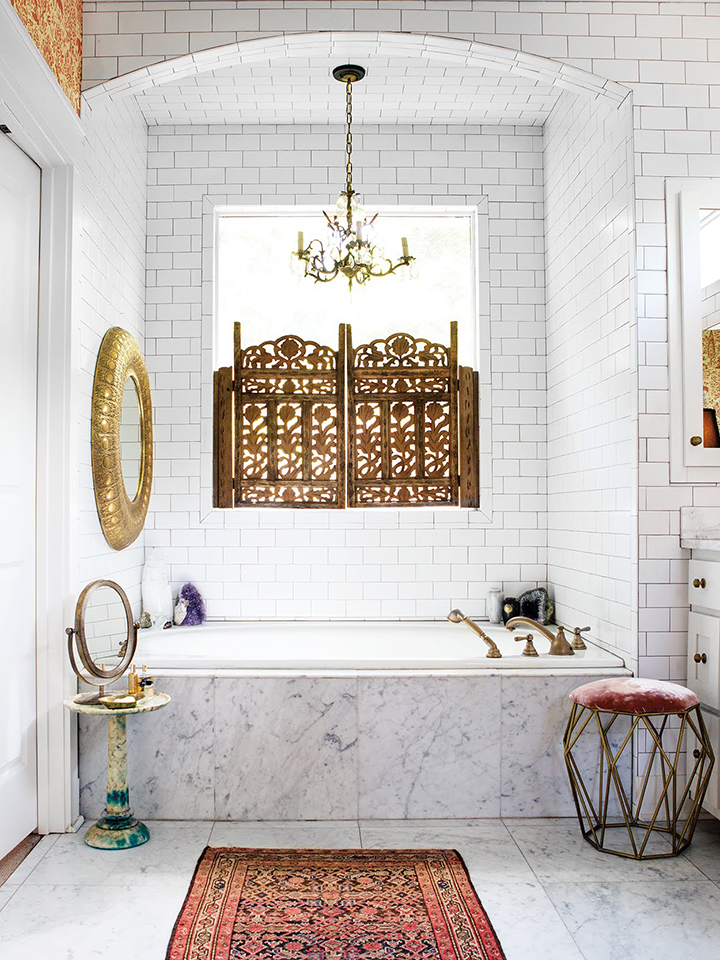
Small spaces benefit greatly from reflection. Glossy white subway tiles are a timeless choice that bounces light around the room, making it feel airy. Pair these with dark grout for a modern contrast or white grout for a seamless, expansive look. To maximize your limited space, you can [upgrade your bathroom storage in minutes with these best-selling QEEIG floating shelves](https://homybudy.com/upgrade-your-bathroom-storage-in-minutes-with-these-best-selling-qeeig-floating-shelves/) mounted right over the tile. This classic design never goes out of style.
Large Format Floor Tiles
:max_bytes(150000):strip_icc()/best-tile-for-small-bathrooms-4056833-hero-427c46388b7f459b9462813f1f9594e6.jpg)
Many homeowners assume small bathrooms require tiny tiles, but the opposite is often true. Large format tiles minimize grout lines, which reduces visual clutter and creates a more cohesive floor surface. This technique tricks the eye into seeing more floor space than actually exists. Choose a light-colored stone or porcelain to keep the atmosphere bright. These tiles provide a sleek, high-end finish that elevates even the most cramped powder room into a luxury retreat with professional style.
Vertical Stacked Tiles
:strip_icc()/20230620_meredith_spokane_025_preview-2576c6fef5f7459ab47824ba8d20347e.jpg)
If your ceiling feels low, try stacking tiles vertically rather than the traditional horizontal brick bond. This vertical orientation draws the eye upward, creating the illusion of height. It is a modern twist on standard tiling that works exceptionally well with slim, rectangular tiles. This layout pairs perfectly with minimalist fixtures. Much like [25 accent wall designs: transform your home instantly](https://homybudy.com/25-accent-wall-designs-transform-your-home-instantly/), vertical tiles act as a focal point that defines the shower zone effortlessly.
Geometric Hexagon Patterns
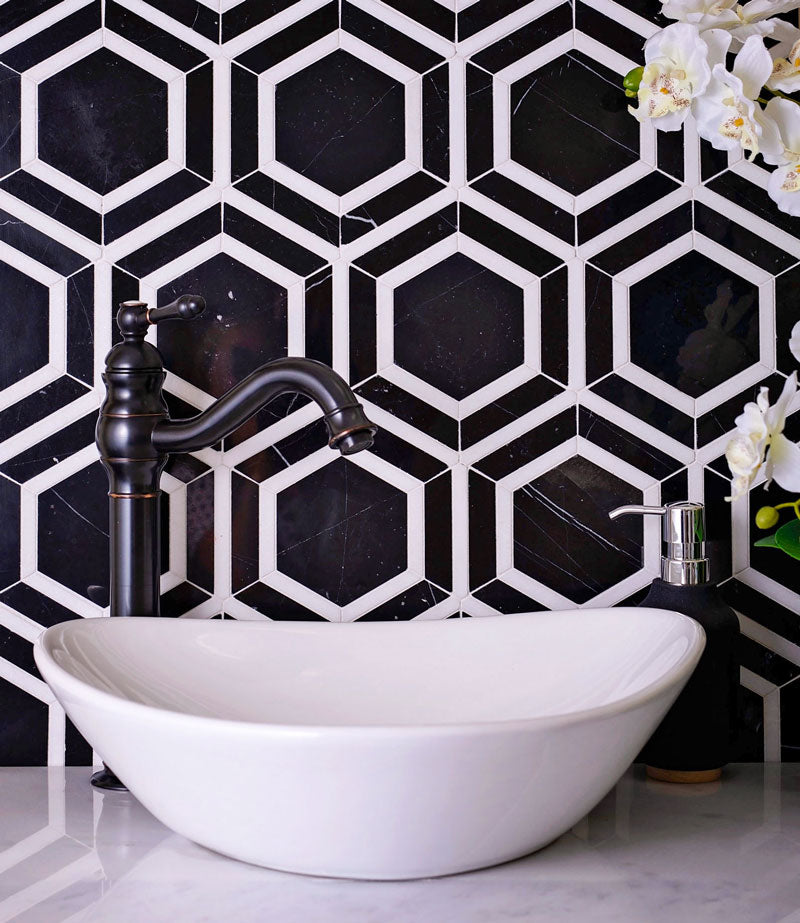
Hexagon tiles add a playful yet sophisticated geometry to a small bathroom. Small hexagons on the floor provide excellent grip and texture, while larger hexagons on the walls create a bold, artistic statement. Consider a fading effect where the tiles transition from one color to another. This approach adds depth without overwhelming the small area. Using neutral tones like gray or sage green keeps the pattern from feeling too busy or claustrophobic in tight quarters during a renovation.
Penny Tiles for Texture
:max_bytes(150000):strip_icc()/111-b77b796bbbc14f5ab0080af8044b8241-bd8e247d405d4e5da37fa221bffb647d.jpg)
Penny tiles are a vintage favorite that offers incredible versatility. Because they are small and come on mesh sheets, they can easily cover curved surfaces or awkward corners found in older homes. Their round shape breaks up the hard lines of a standard bathroom, adding a soft, organic texture. You can use them to create custom patterns or borders. They provide a slip-resistant surface that is both practical and stylish for small walk-in showers and wet rooms.
Bold Accent Wall
:strip_icc()/Bathroom-slate-wall-20220818_sip_462v1_A0rK8FSYqvh8-z_YKe0qAM-7fb4fecf6846453da83896df879f3793.jpg)
Creating a single accent wall with vibrant colors or intricate patterns can add immense personality without shrinking the room. By focusing the busyness on just one wall, the other three walls remain simple and open. This balanced approach allows for high-impact design in a small footprint. If you are also renovating a bedroom, these [21 cute teenage vanity ideas for your room](https://homybudy.com/21-cute-teenage-vanity-ideas/) might inspire your color palette for your bathroom feature wall.
Herringbone Layout

The herringbone pattern is a sophisticated way to add movement to a small bathroom. By placing rectangular tiles at a 45-degree angle, you create a sense of direction and flow. This pattern works beautifully on both floors and walls, providing a high-end, custom-built appearance. While it requires more precise cutting during installation, the visual payoff is worth the extra effort. It adds a layer of architectural interest that makes a small space feel intentionally designed and very upscale.
Monochrome Palette
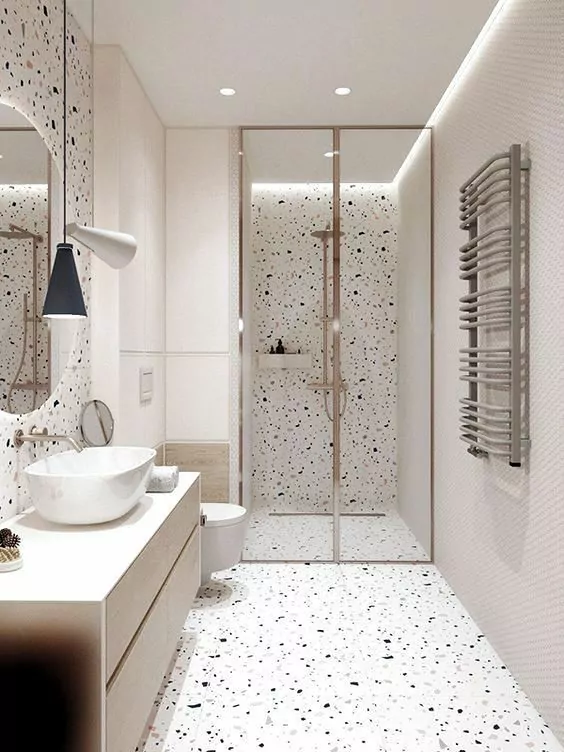
A monochrome tile scheme uses different shades and textures of the same color to create depth without visual noise. For example, use matte light gray floor tiles with glossy light gray wall tiles. This consistency removes the harsh visual breaks that usually define where a floor ends and a wall begins. The result is a seamless, wrap-around effect that makes the bathroom feel like a serene, unified sanctuary rather than a series of cramped segments or disjointed design choices.
Terrazzo Accents
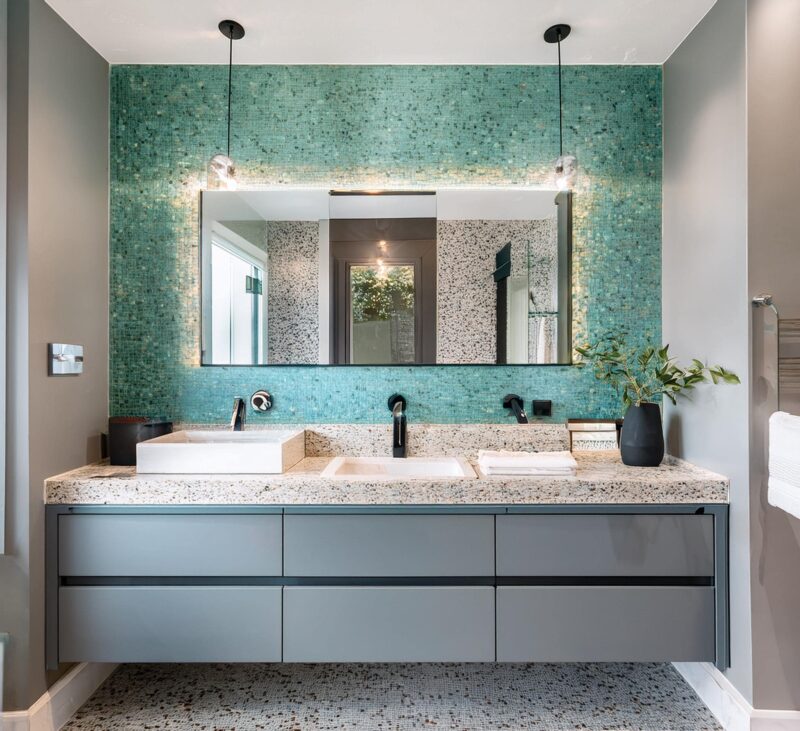
Terrazzo is making a huge comeback, and its speckled pattern is perfect for hiding water spots and dust in a busy bathroom. In a small space, use terrazzo tiles on the floor or as a backsplash to add a mid-century modern vibe. The variety of colors within the flecks allows you to pull different tones for your towels and accessories. It is a durable, stylish option that adds a unique character to any compact renovation without taking up physical space.
Mirror-Finish Tiles
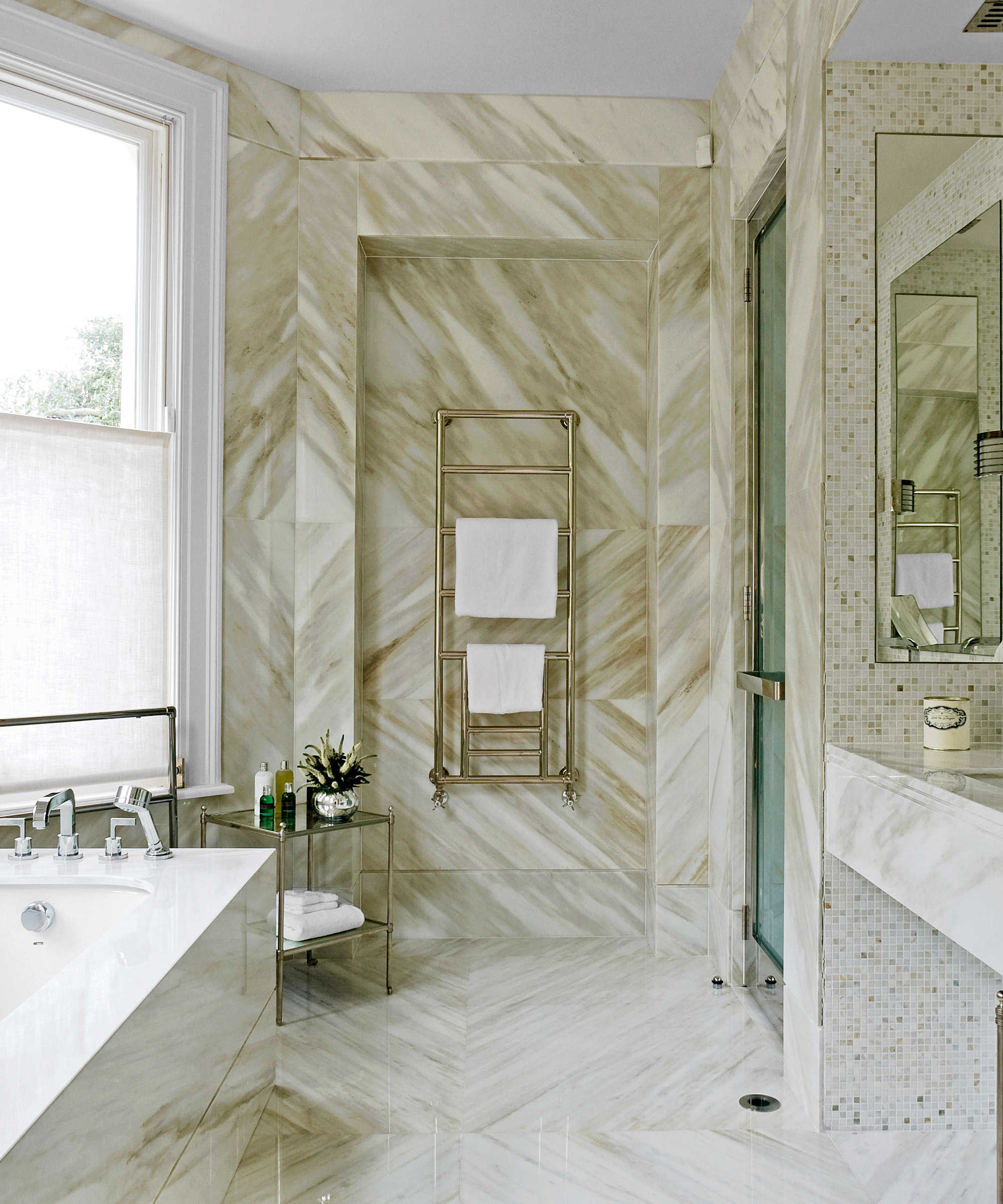
For the ultimate light-boosting trick, consider mirror-finish or highly metallic tiles. These reflective surfaces act as multiple small mirrors, bouncing light into every dark corner. They are particularly effective in bathrooms without natural windows. Using them as a border or a niche accent provides a touch of glamour. This reflective quality mimics the openness of larger rooms, providing a bright and energetic atmosphere that makes the morning routine feel much more luxurious in a tiny floor plan.
Continuous Floor-to-Wall Tiling
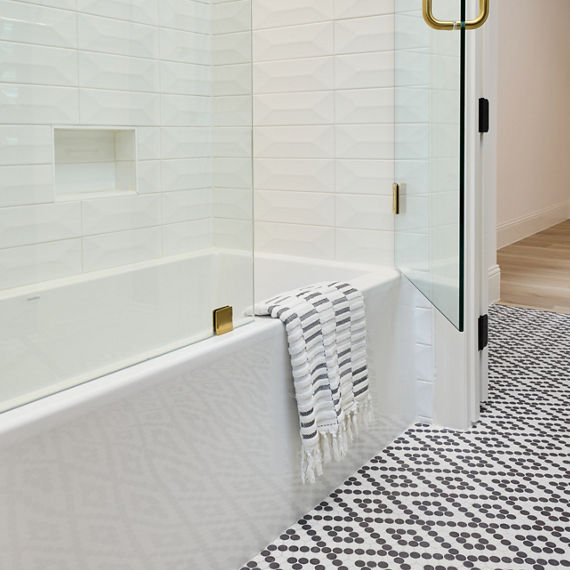
One of the best ways to expand a small bathroom is to use the same tile for the floor and the walls. This eliminates the visual stop at the baseboards, leading the eye continuously around the room. This technique creates a wet-room aesthetic that feels modern and expansive. When executed with light, neutral tones, the bathroom appears significantly larger than its actual square footage. It is a professional design trick used in luxury urban apartments to maximize visual depth.